
VISIT AUSTIN BAT REFUGE FOR:
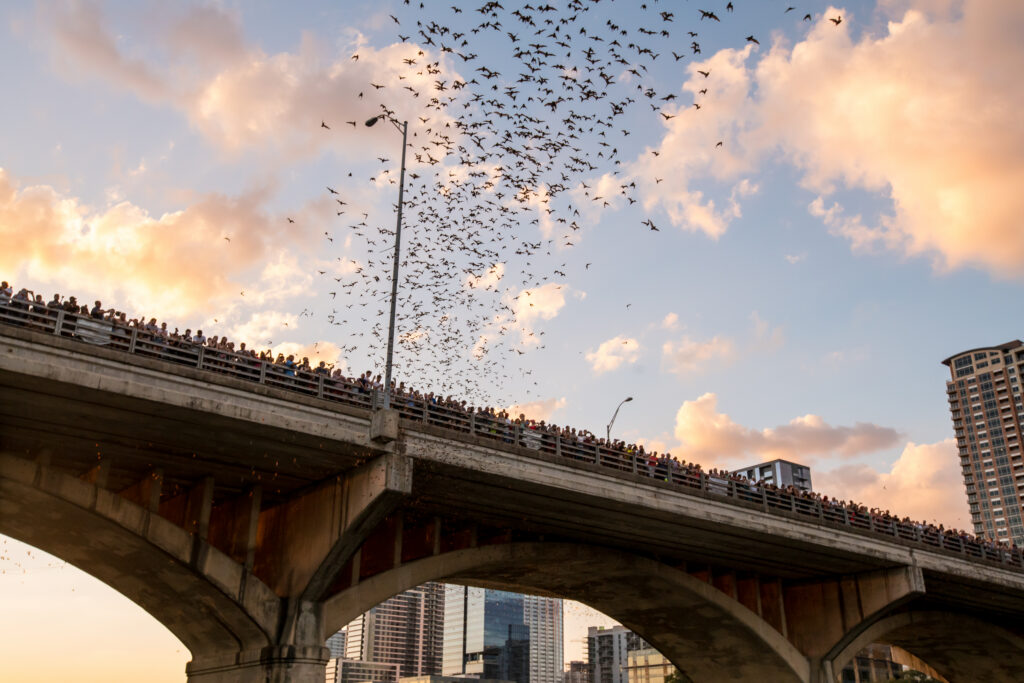
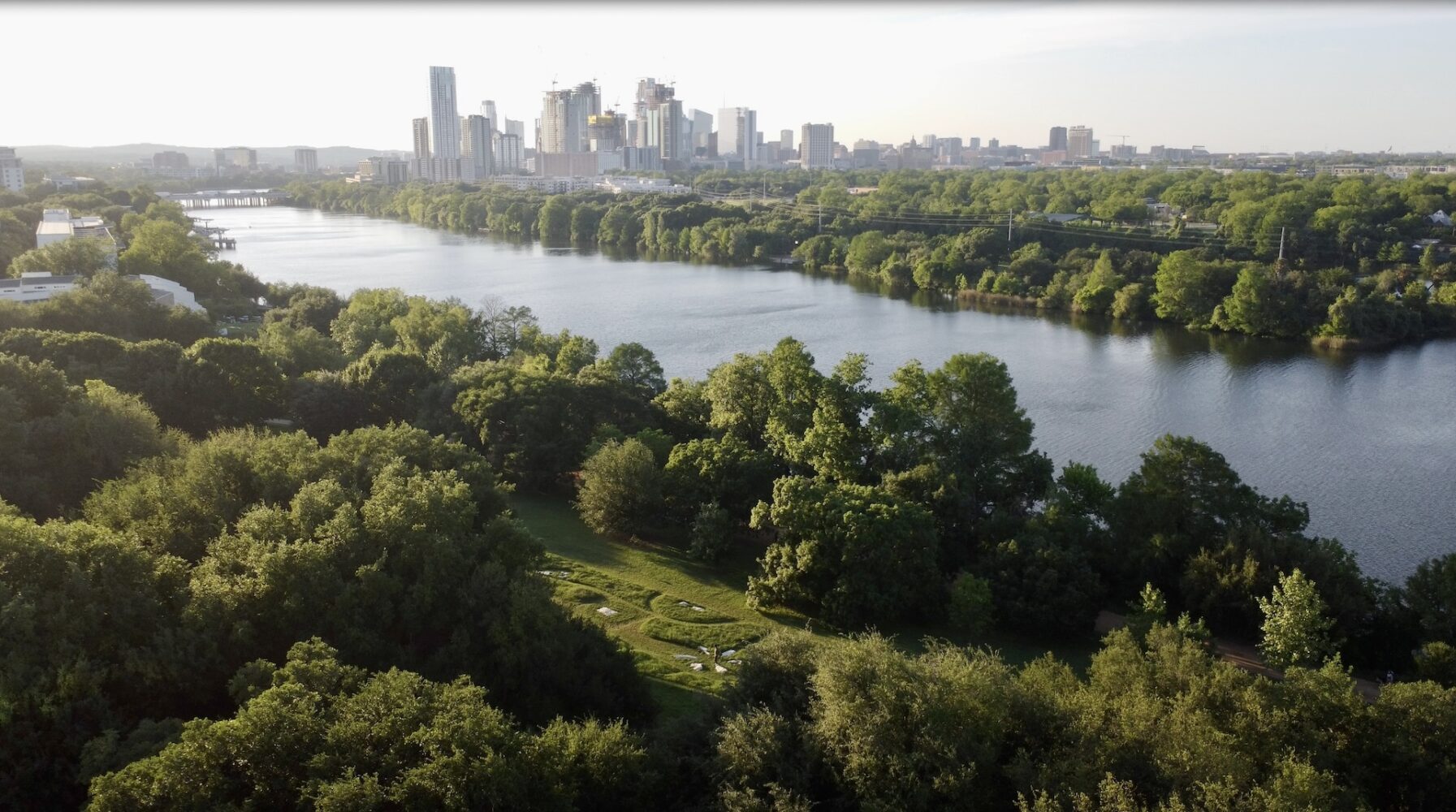
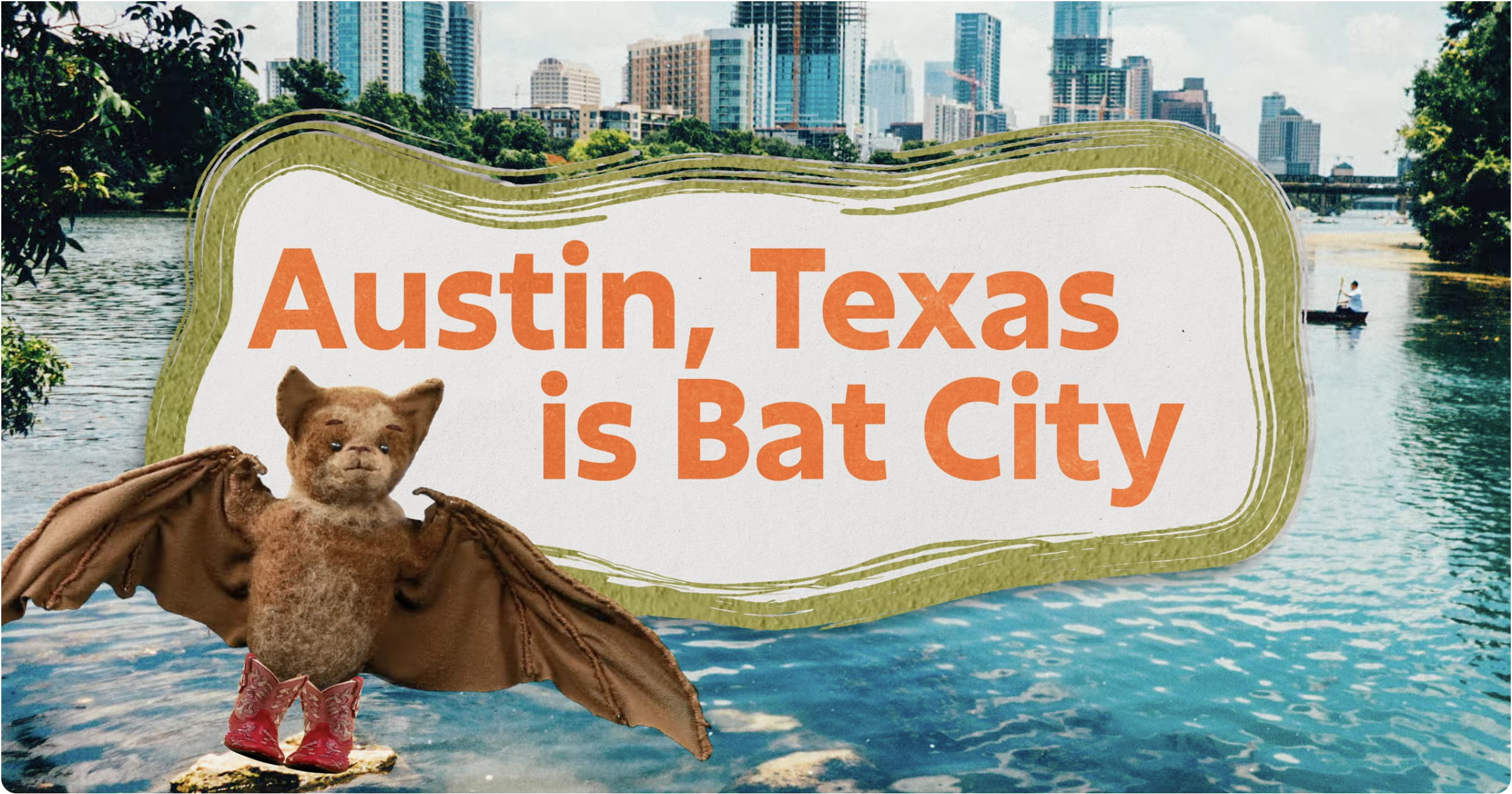
Every evening during bat season, hundreds of thousands of Mexican (a.k.a Brazilian) free-tailed bats emerge from beneath the Congress Avenue Bridge and take flight over Lady Bird Lake. While you wait for tonight’s emergence, watch Bat City’s video series to discover who’s living beneath the bridge.
Presented by:

Learn Bats 101 and get an idea of what to expect when watching Austin’s famous bats.
Presented by:

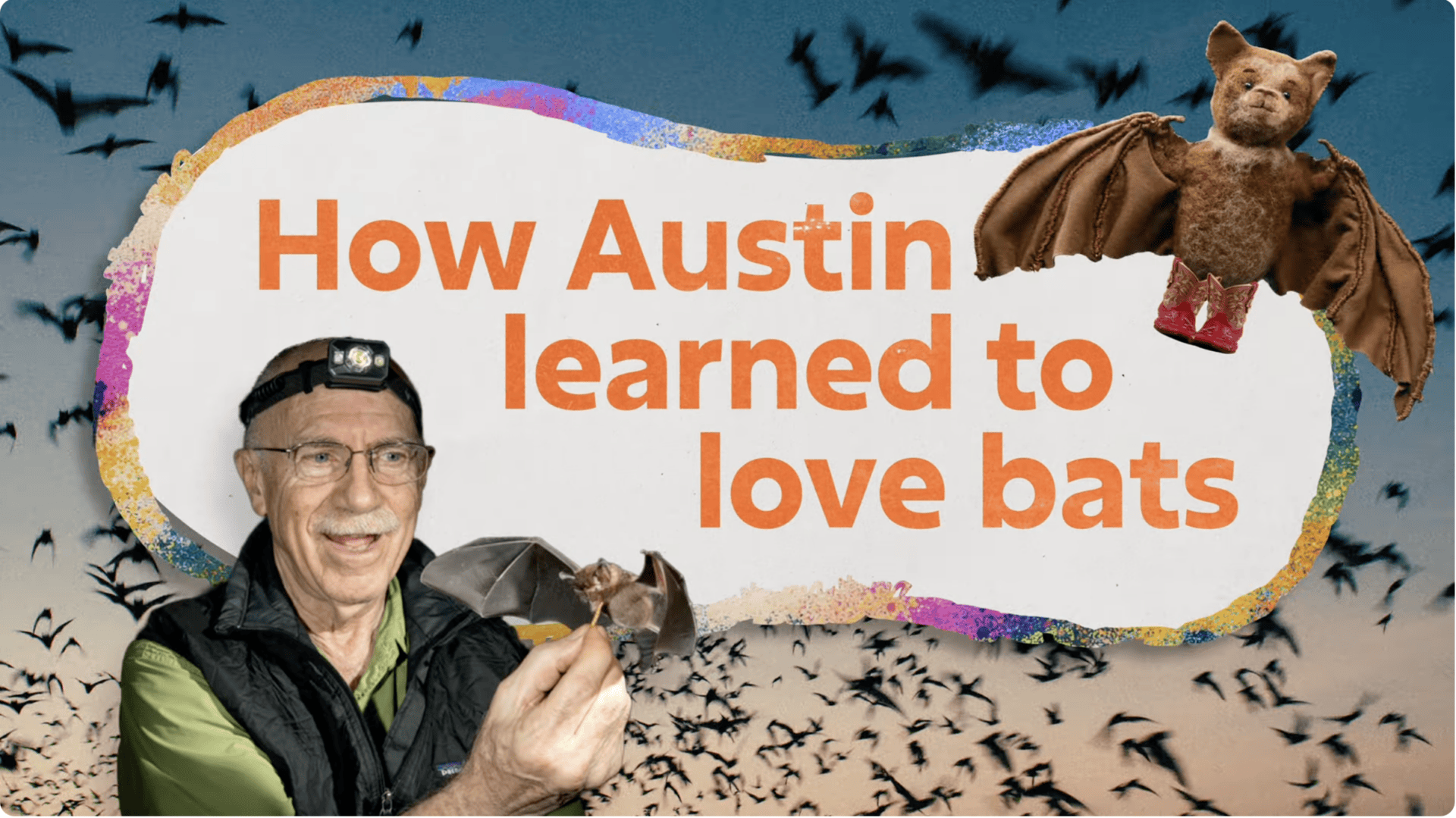
Austin LOVES our bats, but it wasn’t always that way. Learn about how the real bat man, Merlin Tuttle, came to advocate for our bats in Austin and around the world.
Presented by:
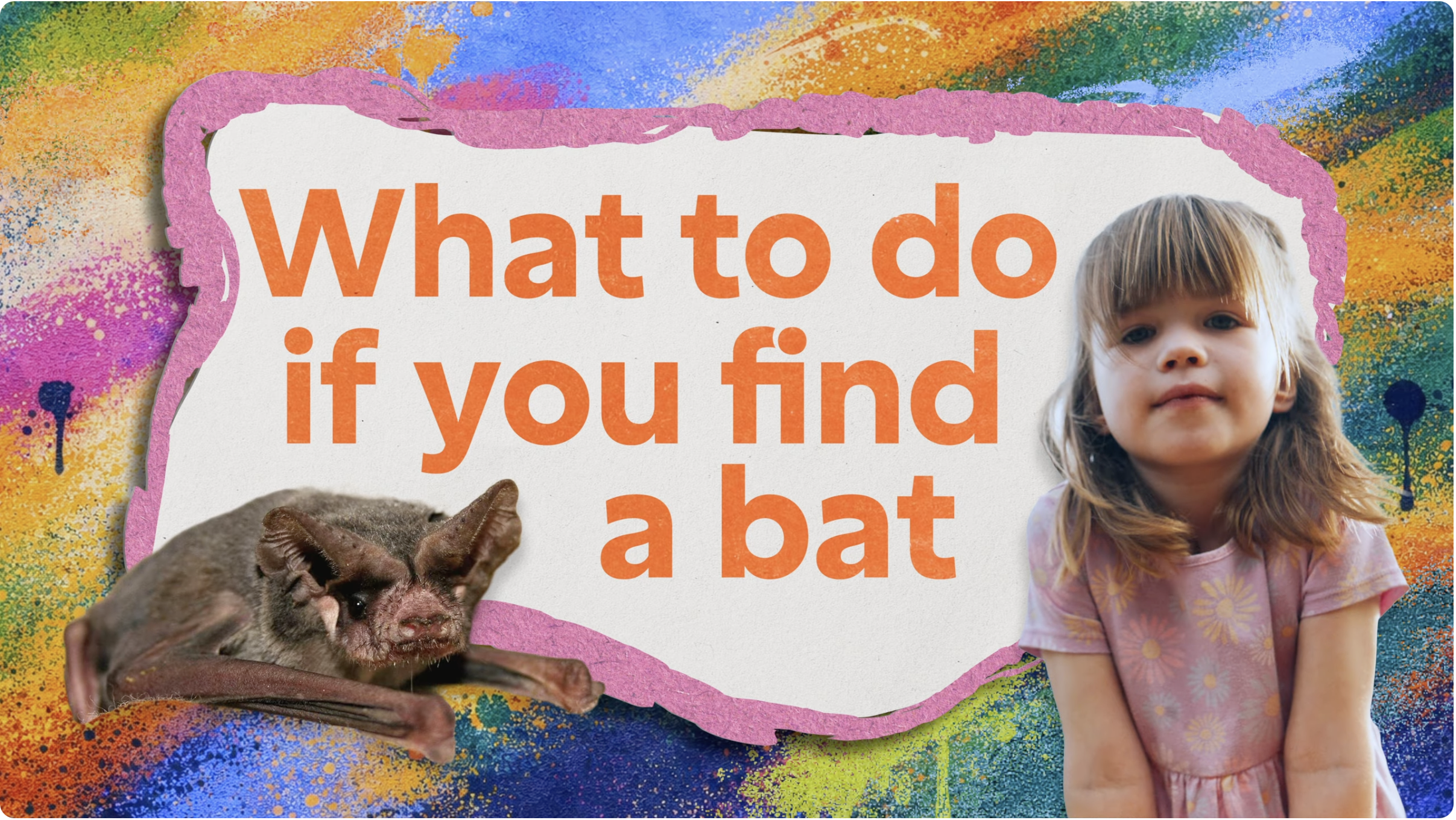
Bats get unfairly blamed for diseases, but all wild animals should be treated with caution. Learn what to do if you find a bat, and see how the Austin Bat Refuge helps out bats in need.
Presented by:

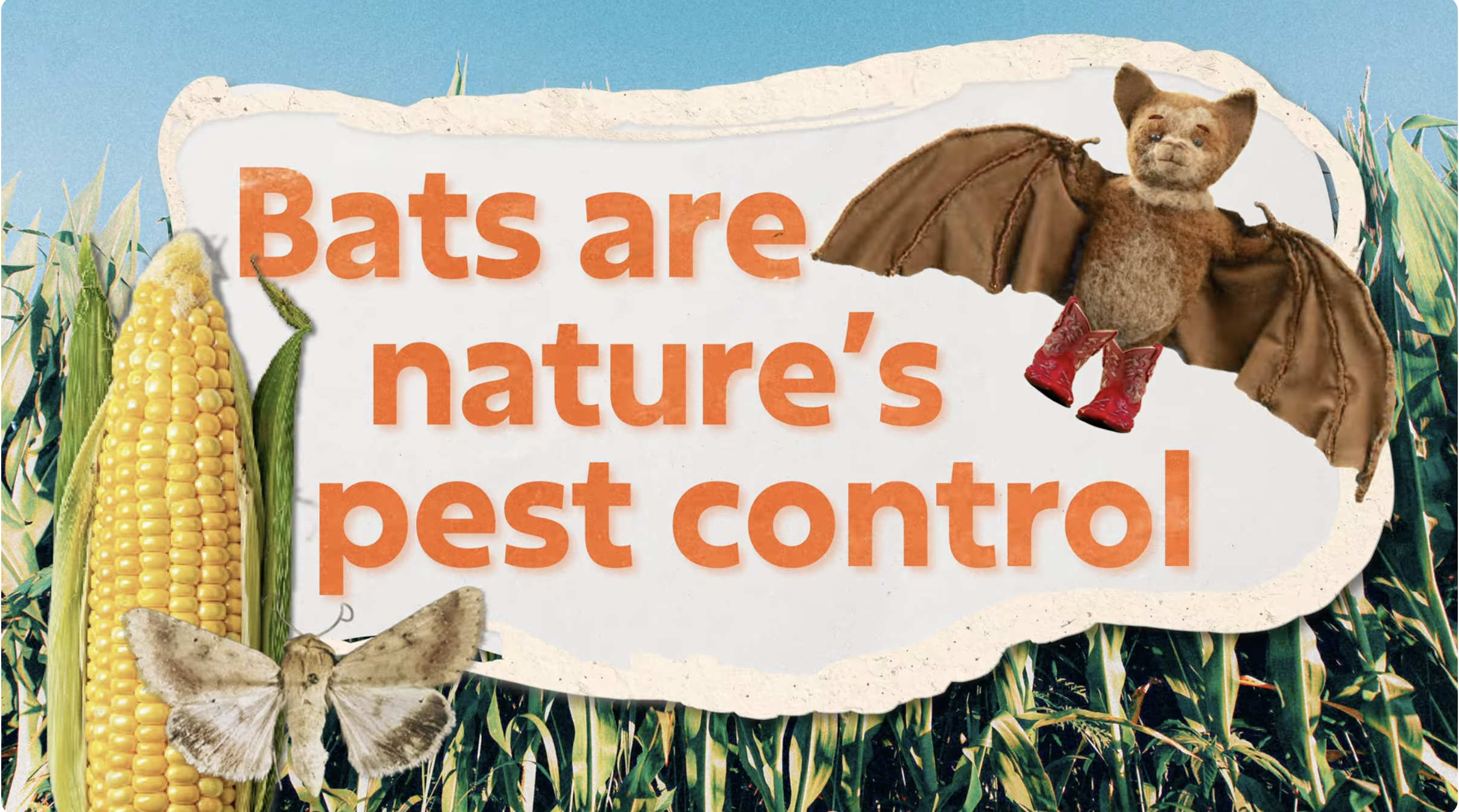
Find out why bats are such an important part of the economy in Texas and all over the world!
Presented by:

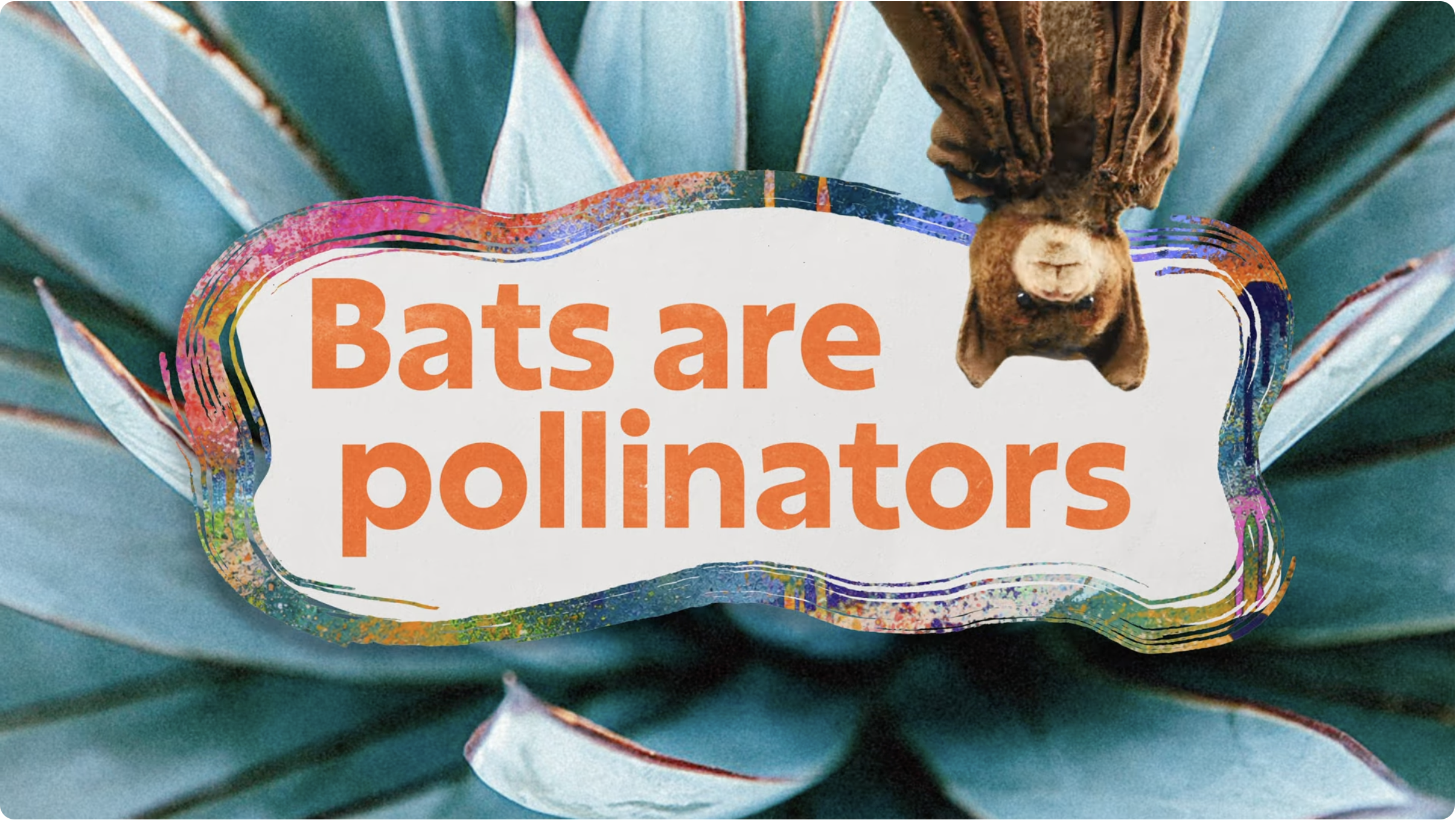
Many species of bats around the world only drink nectar. Could their metabolisms help make humans healthier?
Presented by:

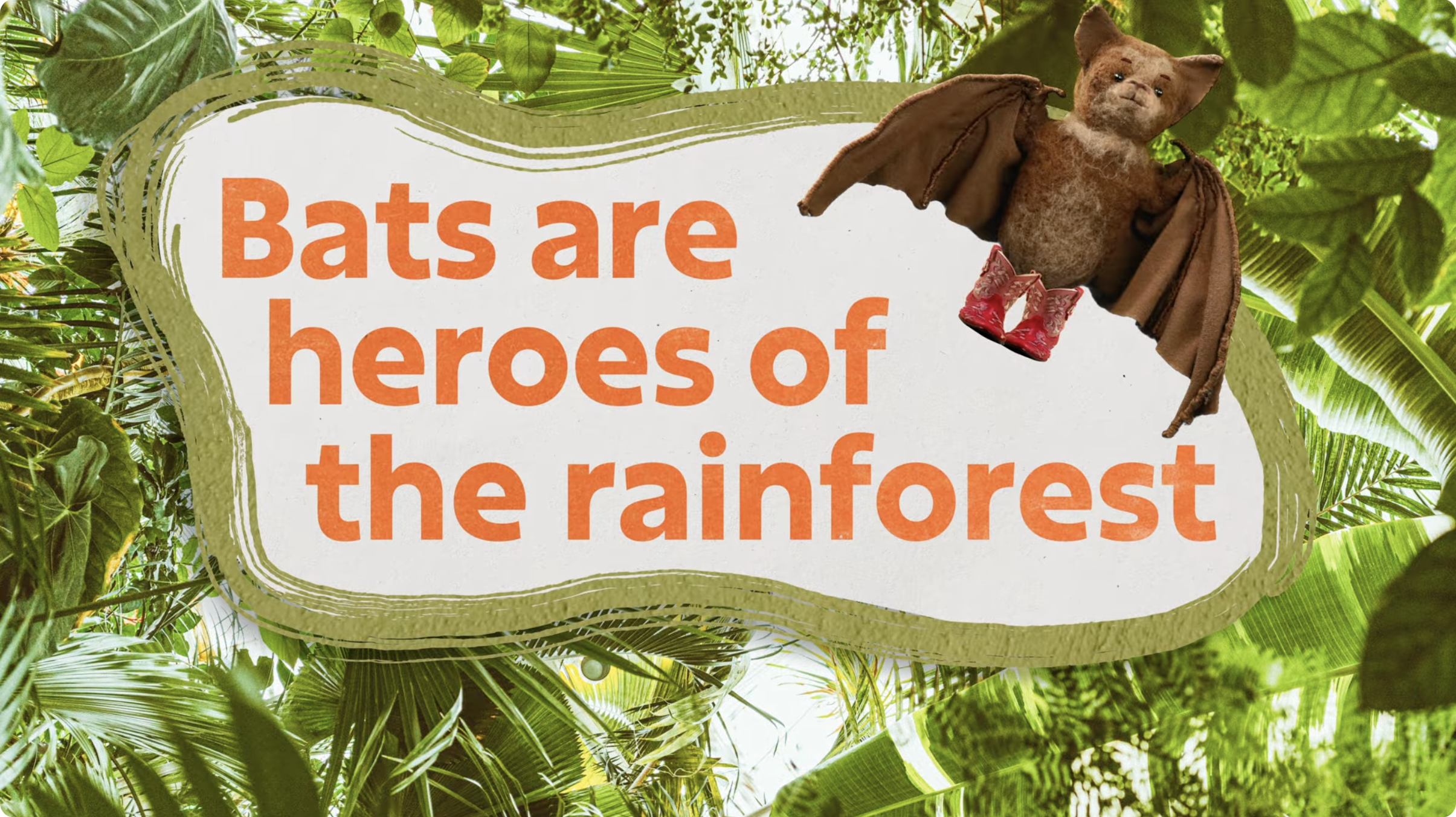
Rainforests are the lungs of the planet, but without fruit bats, tropical forests might not exist!
Tens of millions of Mexican (a.k.a Brazilian) free-tailed bats migrate to caves and bridges across Texas to raise their young. Bridges like this one have deep, narrow, and warm concrete crevices that provide an excellent home for bats.
In the 1980s, the Congress Avenue bridge underwent a major renovation that gave us more than just a bigger bridge—the now-famous bats arrived too! At first, Austinites weren’t happy with their new neighbors. People were afraid of the bats, and the State of Texas even considered measures to remove them entirely.
In 1986, bat conservationist Merlin Tuttle relocated his conservation organization to Austin and stepped up to help save the bats. Tuttle aimed to dispel myths and misconceptions about bats through a public awareness campaign.
Now, decades later, the bats are still here—and famous! Every year, thousands of people gather on and around the Congress Avenue Bridge to see the streaming plumes of bats fly over Lady Bird Lake. Austin’s happy accident has left a lasting impact on the city.
Tens of Millions of Mexican free-tailed bats migrate to caves and bridges across Texas to raise their young. Bridges like this one have deep, narrow, and warm concrete crevices that provide an excellent home for bats.
In the 1980s, the Congress Avenue bridge underwent a major renovation that gave us more than just a bigger bridge—the now-famous bats arrived too! At first, Austinites weren’t happy with their new neighbors. People were afraid of the bats, and the State of Texas even considered measures to remove them entirely.
In 1986, bat conservationist Merlin Tuttle relocated his conservation organization to Austin and stepped up to help save the bats. Tuttle aimed to dispel myths and misconceptions about bats through a public awareness campaign.
Now, decades later, the bats are still here—and famous! Every year, thousands of people gather on and around the Congress Avenue Bridge to see the streaming plumes of bats fly over Lady Bird Lake. Austin’s happy accident has left a lasting impact on the city.
SPANISH LANGUAGE SPONSOR
Learn Bats 101 and get an idea of what to expect when watching Austin’s famous bats.
Austin LOVES our bats, but it wasn’t always that way. Learn about how the real bat man, Merlin Tuttle, came to advocate for our bats in Austin and around the world.
Bats get unfairly blamed for diseases, but all wild animals should be treated with caution. Learn what to do if you find a bat, and see how the Austin Bat Refuge helps out bats in need.
Find out why bats are such an important part of the economy in Texas and all over the world!
Many species of bats around the world only drink nectar. Could their metabolisms help make humans healthier?
Rainforests are the lungs of the planet, but without fruit bats, tropical forests might not exist!
You scored 0 out of 0
Between sunset and full dark – usually 20 to 50 minutes after sunset, but it depends on the season. Remember, these are wild animals, so prediction isn’t always precise! For the best chance to see the bats take flight, arrive before sunset. Cold, wind, rain, and even the moon cycle can impact the flight time. Check Austin Bat Refuge for nightly flight time predictions.
March through early May and late July through mid-September are the best times of year to see bats. There is normally a lull from late May through mid-July while the bat pups are learning to fly.
There are both paid and free parking options on and around the Butler Hike-and-Bike Trail. Lots tend to fill fast for bat viewing and parking rates can change, so obey all posted signs, plan ahead, and confirm before you go.
Parking options nearby include:
Four of the best spots to watch the bats take flight are:
Austin’s bats are Brazilian (a.k.a. Mexican) free-tailed bats (Tadarida brasiliensis), which are typically found from the southern U.S. to Argentina. Between 750,000 and 1.5 million bats roost in the crevices under the Congress Avenue bridge, making this the largest urban bat colony in the world.
Most of the colony migrates to Mexico around October or November and returns to Austin in March–April, but up to 100,000 bats stay under the bridge year-round.
The bats first moved in after a bridge renovation in the early 1980’s.
Congress Avenue Bridge is a maternity colony, and summer is baby bat season! Female bats give birth to one pup each year, typically in early June. Newborn pups are hairless and are a quarter of their mother’s weight–imagine a human bearing a 30-pound baby! Mothers leave the pups under the bridge while they hunt. When they return from hunting, each mother finds her own pup, among thousands, by voice and scent. Bat pups learn to fly when they are about four to five weeks old.
Follow a few simple rules to keep the colony safe while you watch them take flight:
In the Austin area, call Austin Bat Refuge. They rescue and rehabilitate bats and will walk you through how to respond to a found bat.
512-695-4116
512-799-8847
Stay calm and never touch a bat with bare hands. Left alone, a bat poses no risk; when handled, it may bite in self-defense. Call right away if it’s injured, in a trap or water, on the ground with a pup, or within reach of kids or pets.
If a person or pet may have been bitten, call local animal control first. In Austin, call 3-1-1.
Full guidance: austinbatrefuge.org/found-a-bat.
No, you should not be worried, but caution should be taken whenever people encounter wild animals.
If someone has been bitten or scratched, get medical attention and have the bat tested by the health department.
Bats have a history of being blamed and feared without foundation. Exaggerated warnings have real consequences: colonies get destroyed by people acting on fear.
A lot. Free-tailed bats across Central Texas eat ~200 tons of insects on an average summer night. The Congress Avenue colony alone eats up to seven tons of insects in a night, and individual bats will travel a hundred miles or more to find enough bugs to eat.
Their preferred prey reads like a farmer’s worst list: corn earworm moths, armyworm moths, cucumber beetles. They also eat mosquitoes. Intercepting migrating moths in spring means the eggs never reach the crop – a single bat can prevent more than 20,000 eggs from being laid in one night.
The estimated saving to Texas farmers alone is around $1.4 billion each summer, largely in pesticides that never have to be sprayed. Before oil, guano mined from the bat caves was the state’s largest mineral export. Microbes from those guano ecosystems are still being studied for waste detoxification and biofuel production.
Bats have huge, positive environmental impacts. Bats around the world control pests, pollinate plants like agave and durian, and disperse the seeds that naturally regrow tropical forest – all after dark.
Bat colonies across the U.S. are facing multiple pressures right now:
The first step to helping bats is to become an educated advocate:
The Butler Trail is part of a vibrant urban ecosystem. The Trail Conservancy works to protect and enhance the Trail’s 19 unique habitats to ensure it remains a thriving natural space for people and wildlife.
Andrew and Connie McFarland · Anne Fogerty · Capital Cruises · D+M Engineering Pllc · Emily and Reeve Hobbie · In Memory/Honor of John Gloria & Jones · Sharon Mammoser · Matthew Clark & Megan King · Matthew & Kelsey Stephens · The Line Hotel
Aaron Smith and Katie Stahl · Amy Allen · Andrea Carter · Ann Marie Flamenco · Austin Batworks · Ben Masters · Bruce and Patricia Greiner · Charlene Guider · Chris Sefton · Chrissy and Jay Kleberg · Dan and Jane Cardwell · Don Stephens · Drew and Jackie Lusk · The Flurry Family · Gordon and Bekah Siegfriedt · Jim and Lynne Weber · Joan Lemen · John and Soo Aldrich · Karla Rojas · Kelley Kalchthaler and Lio Ribeiro · Kevin Weddell · Kiran Thomas and Sara Blyth · Laura Johnson and Neil Rettig · Lisa Storer · Madison Berger and Brian Leach · Marical McDermed ·. Mariah Smith · Mary Jayne and Bruce Fogerty · The Matt and Marie Baker Family Fund · Matt and Ying Stone · Matthew Flynn and Marissa Alvarado · Mauricio and Dianna Fonseca · Niraj and Gayle Patel · Pam and Will Harte · Peggy and Jack Turlington · Phil Wendell and Roger Oney · Rebecca Borchers · Rebecca Smith · Ross and Emily Gunnels · Ross and Stephanie Hobbie · Sandesh Kadur · Sara Robertson · Scott and Amanda Berens · Suzanne Davey · Sybil and Parker Natenberg · Vaughn Physics · Whit Scott · Dr. Winifred Frick
Location: 1920 E Riverside Drive, Suite A-120 PMB 223 Austin, TX 78741
Phone: 1-855-44-TRAIL
The Trail Conservancy is a non-profit, tax-exempt charitable organization under Section 501(c)(3) of the Internal Revenue Code. Tax ID: 87-0699956.
Join us for the 20th Annual Maudie’s Moonlight Margarita 5K Fun Run on Thursday, June 8, 2023.
Purchase your tickets now and save! Prices increase on May 8.