Ecology

Trees
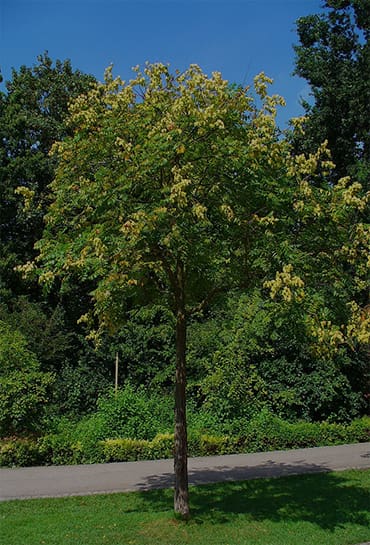
Koelreuteria paniculata is a species of flowering plant in the family Sapindaceae, It was introduced to America in 1763, and has become a popular landscape tree worldwide.
Birds
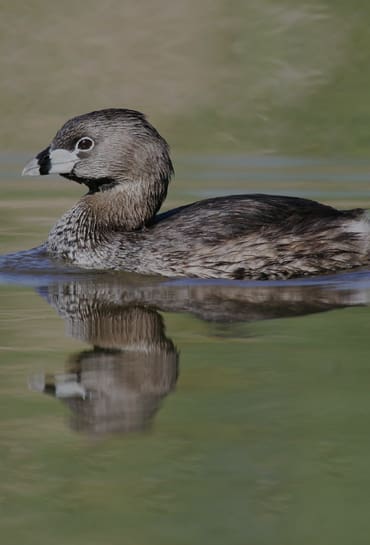
The pied-billed grebe (Podilymbus podiceps) is a species of the grebe family of water birds. The pied-billed grebe is primarily found in ponds throughout the Americas.
More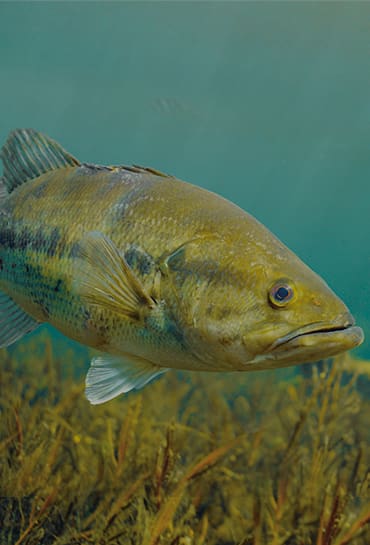
Fish
Fishing is a popular past-time on the Lake with anglers catching Largemouth Bass, Redbreast and Redear Sunfish, and Bluegills. And don’t forget their food! Invertebrates like Swallowtail Butterflies, various moths, spiders, beetles, and dragonflies can be found on Lady Bird Lake.
Mammals
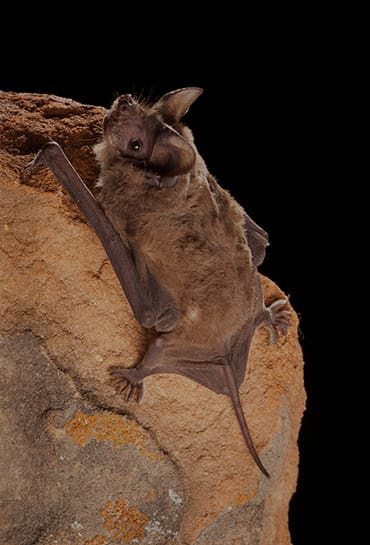
What can we say, this is the iconic bat of Central Texas. The star of the show at Bracken Cave, Congress Avenue Bridge, and many other bat viewing sites in the Central Texas SBA (Significant Bat Area).
Plants
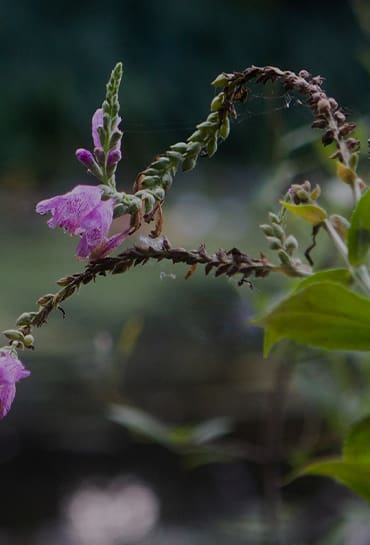
Correll's false dragonhead (Physostegia correllii) is a rare, flowering plant characterized by purple-pink flowers and dark green leaves. It belongs to the mint family and is found in forested and herbaceous wetland habitats.
Reptiles
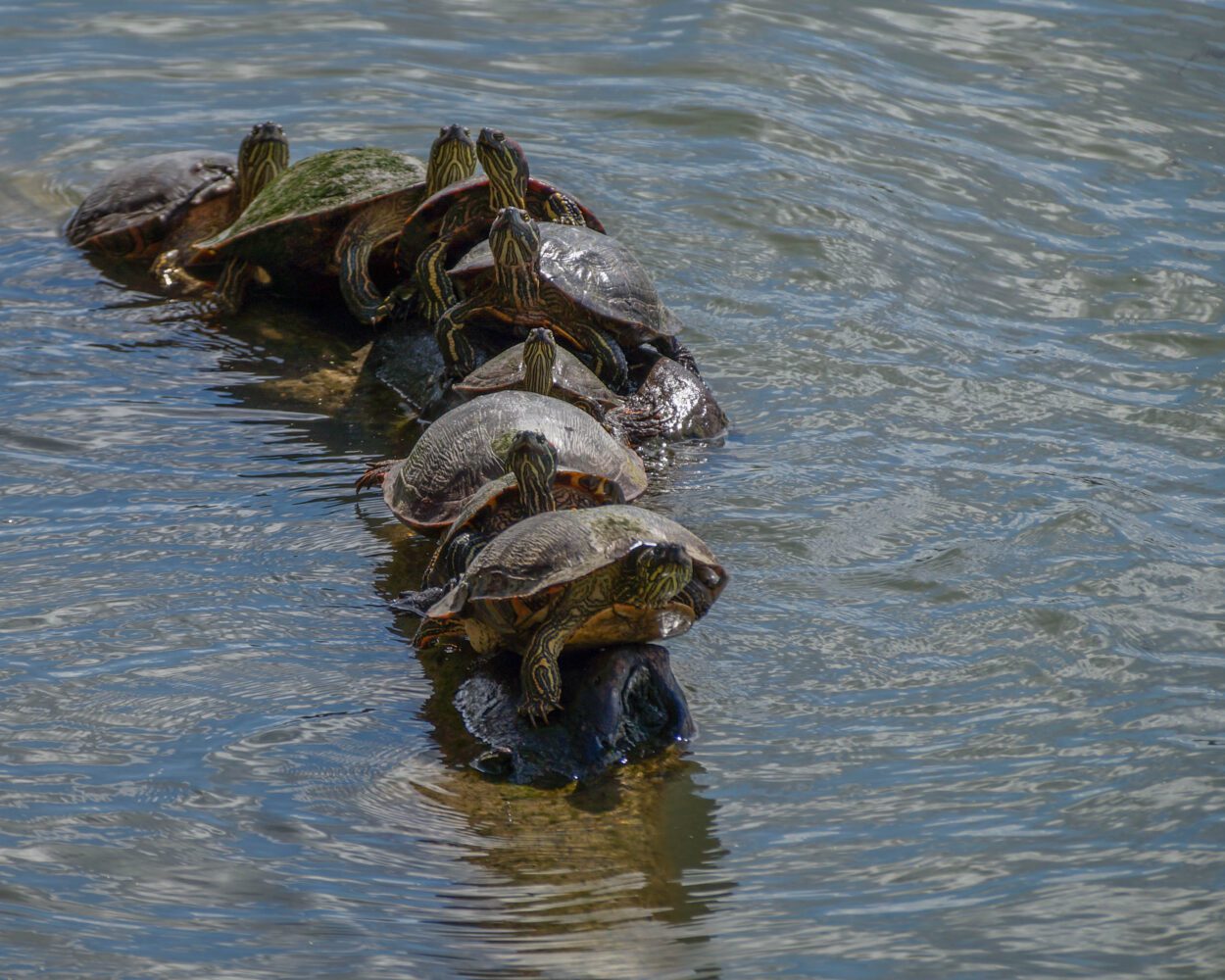
Resting on logs and peeking from the Lake surface you can find Red-eared Slider turtles, Spiny Softshell turtles. Remember to give Cottonmouth Snakes a wide berth, and listen for Gulf Coast Toads.
Invertebrates
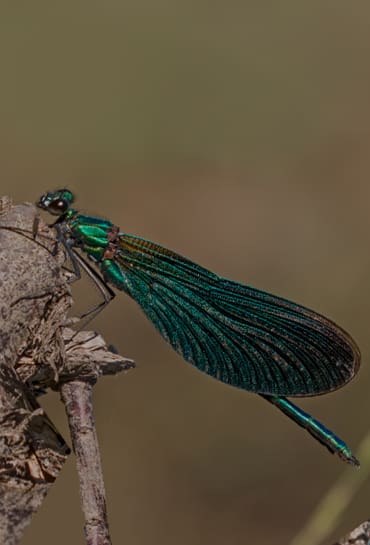
Damselflies are flying insects and are similar to dragonflies. They are smaller and have slimmer bodies. Most species fold the wings along the body when at rest, unlike dragonflies which hold the wings flat and away from the body.
Amphibians
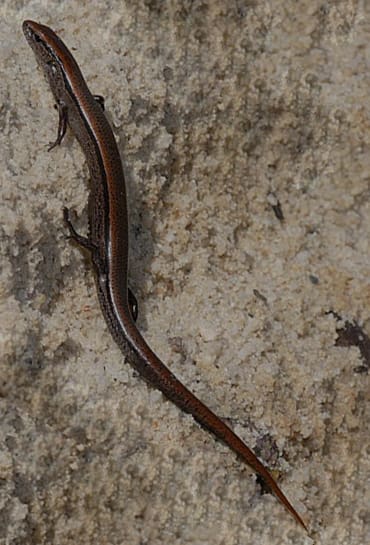
Scincella lateralis, formerly Lygosoma laterale is a small species of skink found throughout much of the eastern half of the United States, and into northern Mexico.