Greater & Greener Comes to Austin: What Great Parks Really Take

Content Image

Greater & Greener Comes to Austin: What Great Parks Really Take
This month, Austin has the great honor of hosting Greater & Greener for the first time.

For those of us who love, steward, visit, walk, run, bike, fish, volunteer, picnic, birdwatch, paddle, and occasionally stop to admire goats doing very important vegetation management work, this is an exciting moment.

Greater & Greener brings together park leaders, planners, public officials, nonprofit partners, designers, advocates, and community builders from across the country and around the world to explore an idea Austinites understand deeply: parks are not “extras.” They are essential civic infrastructure.

Parks shape how we move through a city. They protect our environment, support our physical and mental health, and create places where neighbors meet, families gather, artists create, and communities feel connected to something shared.

The fact that Greater & Greener is coming to Austin is a testament to our remarkable park culture. It is also a testament to the people, organizations, volunteers, donors, and neighbors who have spent decades caring for our parks, often long before their work was visible or celebrated.

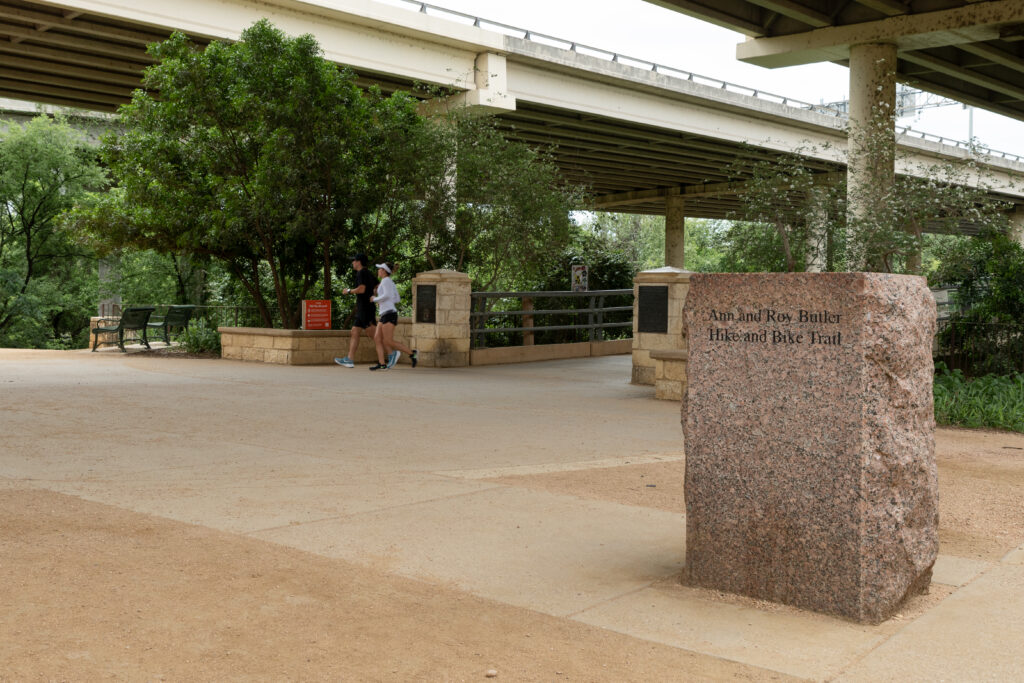
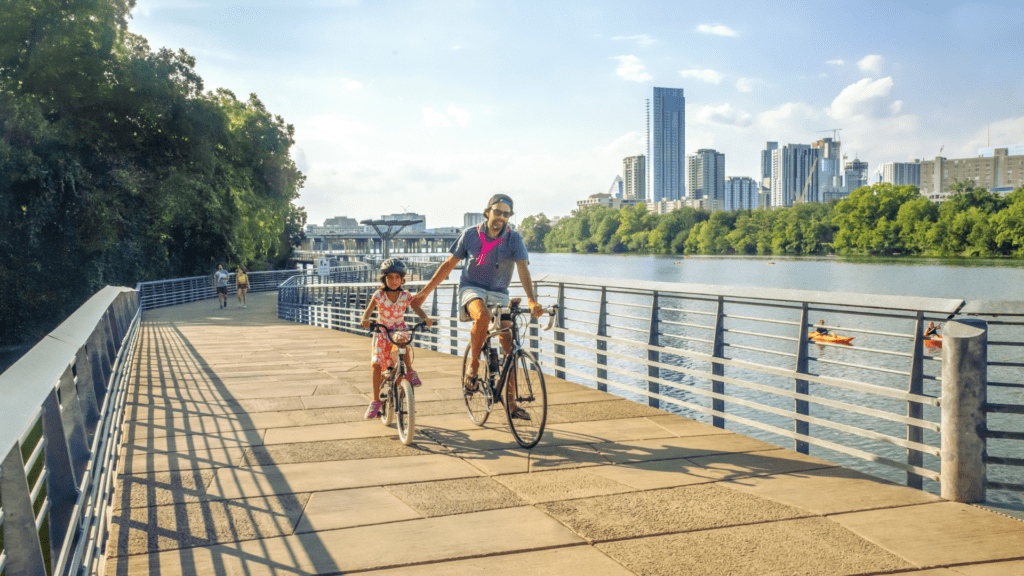
At The Trail Conservancy, we are proud to co-host this year’s conference alongside the City of Austin and Austin Parks and Recreation. We are especially proud to welcome guests from across the US and Canada to the Ann and Roy Butler Hike-and-Bike Trail, our beloved 10-mile urban park that reflects so much of what makes Austin special, something we are reminded of every time the sun rises over downtown during a community run on The Trail.

The Trail is beautiful, beloved, and heavily used. In fact, it welcomes over 5M visits a year, with run clubs, fishing groups, workout classes, and many others gathering here regularly. It’s also a working public space that requires constant care. Every improvement, from ecological restoration to safer connections, public art, shoreline protection, and new gathering spaces, takes coordination, trust, patience, and partnership.

That’s why public-private partnerships matter.

Partnership is one way many cities turn shared values into visible, lasting care. For The Trail Conservancy, it means adding capacity, creativity, resources, and a long-term focus so that public spaces can thrive not just for one season but for generations.

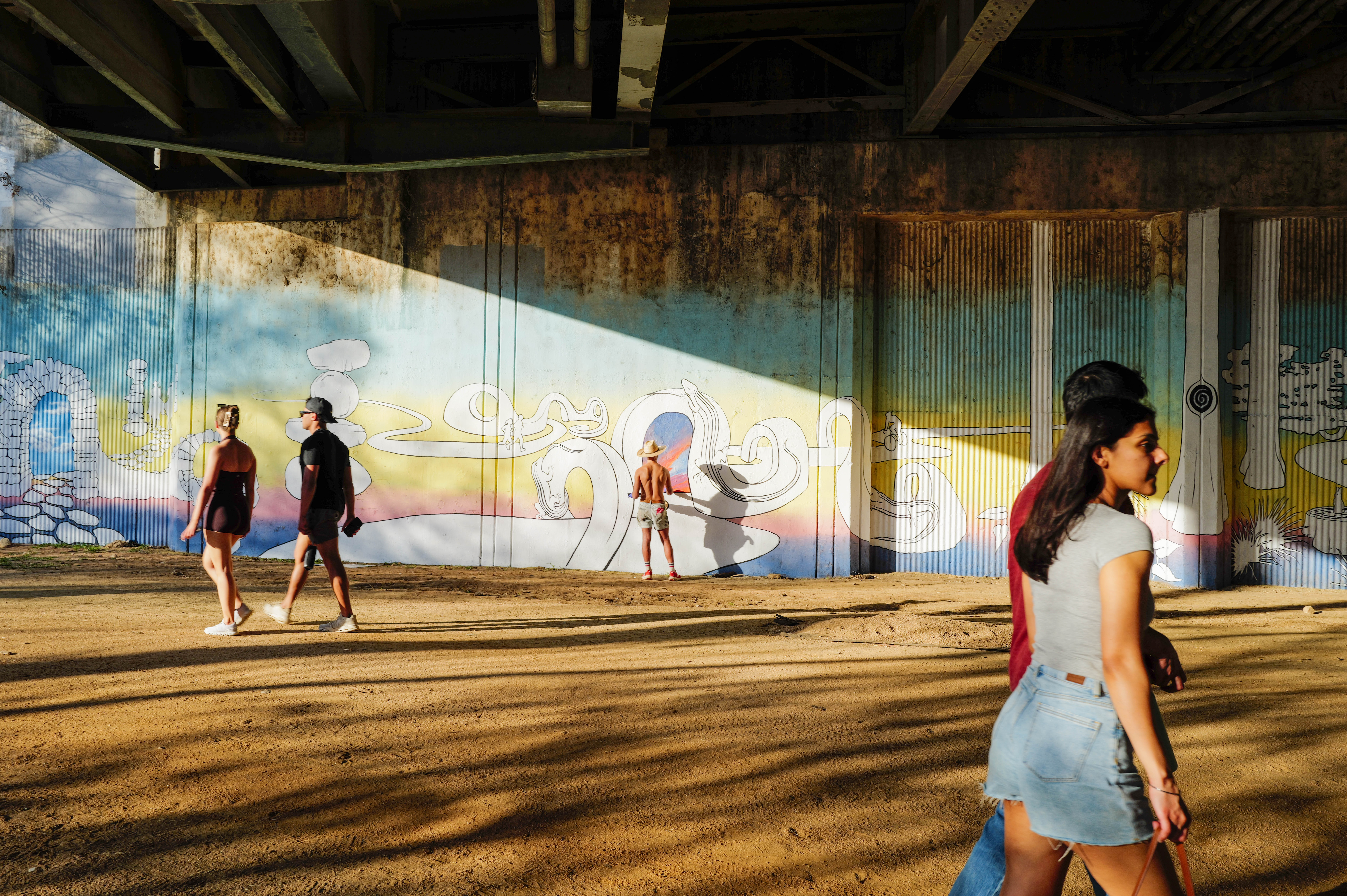
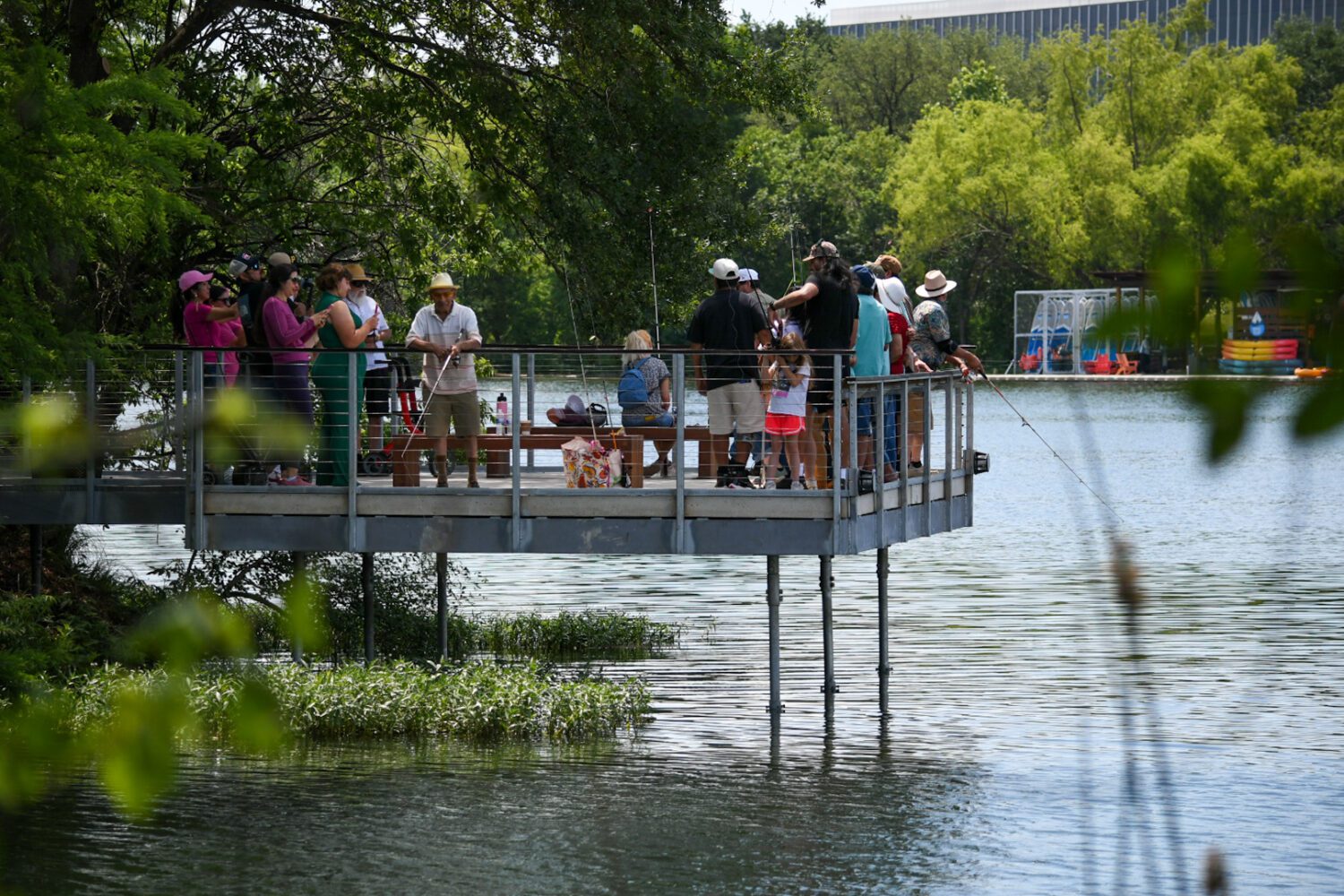
We see that in projects across the Trail. The new Holly Fishing Pier brought one aspect of a decades-old vision plan to life – creating a more accessible place for neighbors to gather, fish, and connect with Lady Bird Lake while supporting shoreline protection and native plant restoration. The Wishbone Bridge and other mobility improvements help make the Trail safer and more connected. TEMPO on the Trail brings public art into everyday life, turning a walk or ride into a moment of discovery. Rain gardens, native plantings, ecological restoration work, and yes, even goats, help us care for the land in ways that are practical, thoughtful, and rooted in long-term stewardship.

None of this happens alone.

It happens because public agencies, nonprofit partners, community members, technical experts, donors, volunteers, and neighbors come together around a shared belief: Austin’s parks are worth the work.

That’s why we are especially looking forward to the conversations at Greater & Greener.

One session will bring together three sitting mayors, Austin’s Kirk Watson, Fort Worth’s Mattie Parker, and Greenville’s Knox White, in conversation with Carol Coletta. We expect to hear three very different cities describe a remarkably similar reality: public commitment to parks is essential. It’s also almost everywhere insufficient on its own.

The question is not whether cities should fund their parks. They should, and they do. The question is what it takes to build park systems that can meet this moment.

Austin is already living these questions. Our city is growing. Climate pressures are real. Public spaces are being asked to do more for more people, with care that takes years to build, seconds to lose, and money the City doesn’t have to provide.

That is why the best answers usually involve expanding the table, not shrinking it.

Austin has so much to share, and we also have so much to learn from cities expanding equitable access to green space, restoring urban ecosystems, funding long-term maintenance, building trust, and welcoming more people into the work of stewardship.

Most of all, this is a moment to celebrate what is possible when a city sees its parks not as amenities, but as part of its identity.

The Trail belongs to Austin. Its care belongs to all of us.

As we welcome Greater & Greener to our city, we are grateful for the partners who make this work possible and for every person who loves the Trail enough to ask questions, show up, give, volunteer, advocate, and care.

That is how great parks are built.

And that is how they last.

If you will be at Greater & Greener in June, we would love to walk a stretch of the Trail with you. What public space question is your city wrestling with right now?

Sign Up for Our Newsletter:
Upcoming Events

Monday, July 6, 2026

No events on this day.

Tuesday, July 7, 2026

No events on this day.

Wednesday, July 8, 2026

No events on this day.

Thursday, July 9, 2026

No events on this day.

Friday, July 10, 2026

No events on this day.

Saturday, July 11, 2026

No events on this day.

Sunday, July 12, 2026

No events on this day.